

PostgreSQL Forward Deployed Engineers
Keep PostgreSQL reliable as your business grows.
Protect critical operations. Improve performance.
Our PostgreSQL Forward Deployed Engineers work alongside your team to keep production databases reliable, improve performance and deliver critical projects.
Our PostgreSQL Forward Deployed Engineers work alongside your team to keep production databases reliable, improve performance and deliver critical projects.
Working alongside your team
Stormatics engineers
Your PostgreSQL environment
Performance tuning
Recovery readiness
Planned improvements
40+
Customers served
20+
Countries across 5 continents
24×7
DBA as a Service coverage
Our customers






What we do
PostgreSQL Forward Deployed Engineers
Work with specialist engineers in your environment, alongside your team. Choose ongoing database management, a focused assessment or scoped project delivery.
Ongoing database management
DBA as a Service
Our PostgreSQL Forward Deployed Engineers take on agreed database responsibilities with 24×7 follow-the-sun coverage, working alongside your engineers whether you have no DBA, one specialist or an established team.
Service responsibilities, coverage and response commitments are defined in your support agreement.
✓ Monitoring, maintenance and performance tuning
✓ Backup reliability and recovery readiness
✓ Incident response and root cause investigation
✓ Capacity planning, upgrades and ongoing improvements
Scoped projects
Hands-on PostgreSQL project delivery
Bring experienced engineers into your team for a migration, performance problem, architecture change or critical upgrade. Work through scoped two-week sprints, with priorities and delivery responsibilities agreed upfront.
Where we can help
When database problems become business problems
01 / Continuity
Outages disrupt critical operations
Strengthen availability and recovery around the downtime and data loss your business can accept.
02 / Performance
Slow applications hold back growth
Find what causes slow responses, delayed processing and rising resource use. Prioritize tuning and architecture changes around your workload.
03 / Migration
Your environment limits your options
Move to PostgreSQL infrastructure that fits your requirements. Plan around application dependencies, operational constraints and acceptable downtime.
04 / Security & support
Meet database security and support requirements
Identify gaps in database controls, operational evidence or support coverage. Plan improvements against your organization’s requirements.
Understand what needs attention first
PostgreSQL Health Check
Get a structured review of your PostgreSQL architecture, performance and configuration. Our specialists identify bottlenecks and operational risks, then provide recommendations so your team can prioritize improvements.
Customer outcomes
See how customers addressed their PostgreSQL challenges
From restoring routine processing to strengthening continuity and moving beyond hosting constraints.
Fraîcheur de Paris / Performance
Automated compression, back on track
After a major backfill disrupted TimescaleDB compression, Stormatics validated a fix in staging and helped apply it in production. Automated compression resumed, reducing manual work.
District cooling · TimescaleDB · Paris, France
Compression time per chunk
Before
>72
minutes
After
~3
minutes
~96% less time per chunk
For the compression task described in this customer story.
Government cybersecurity / Continuity
Up to 3 outages a week, then zero downtime
Downtime fell to zero after Stormatics implemented a three-node PostgreSQL cluster, automatic failover and automated backups. Ongoing 24×7 SLA-based support followed.
Whop / Migration
Moving beyond hosting constraints
Whop moved PostgreSQL from Heroku to AWS EC2 in under ten minutes. Stormatics established replication, backup management and connection pooling to support the new environment.
Ventrata / Customer story
2 minutes
Migration from AlloyDB back to Cloud SQL, completed within a 30-minute maintenance window.
“…they promptly identified and confirmed a performance-degrading bug in AlloyDB and proposed an effective workaround over the weekend.”
Oliver Morgan, CEO at Ventrata
How we work
A practical path from diagnosis to implementation
01
Understand the problem
Investigate the environment with your team, establish the business impact and identify the causes.
02
Agree on the approach
Explain the options and trade-offs, then agree on priorities, scope and delivery responsibilities.
03
Implement and review
Work with your team to implement and validate changes, document the results and identify next steps.
Read our delivery methodologies
Let’s talk
Let’s discuss what your PostgreSQL environment needs
Tell us about your database challenges, business priorities and current setup. We’ll discuss how our PostgreSQL Forward Deployed Engineers can help through ongoing management, a focused assessment or scoped project delivery.
Specialist expertise · Global reach
Forward Deployed Engineers with deep PostgreSQL expertise
150+ years of combined PostgreSQL experience
Bring specialist production experience to complex PostgreSQL environments, from diagnosis through implementation.
Work within your environment
Support across cloud, on-premises and hybrid deployments, aligned with your operational constraints.
Build your team’s capability
Documentation, knowledge transfer and direct collaboration help your engineers understand and operate the updated environment confidently.
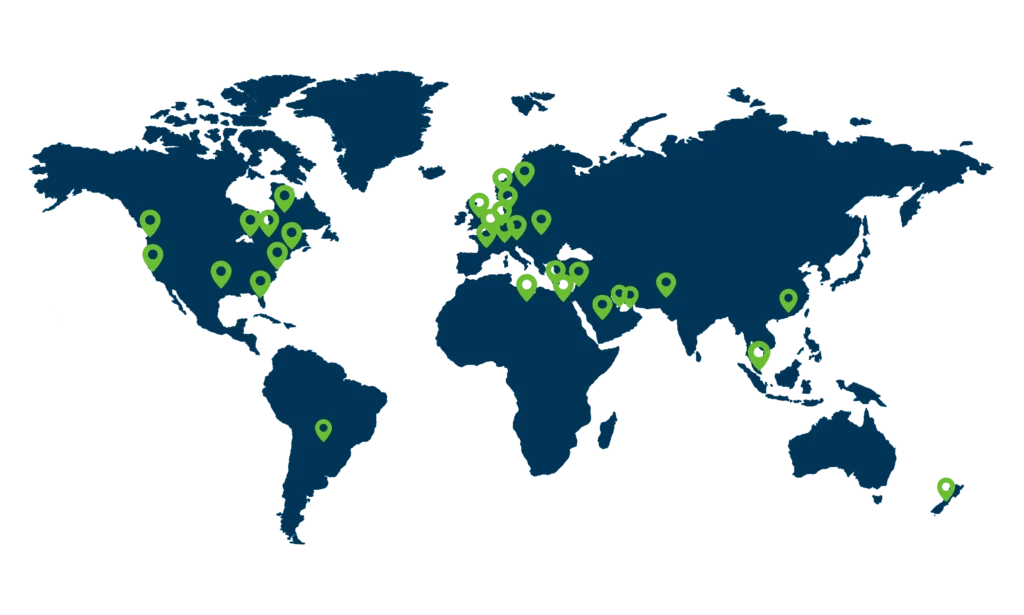
Supporting teams across 20+ countries
Who we serve
Where database reliability matters
We work with organizations where downtime, data loss and slow processing affect customers and critical operations. Explore a customer story from your industry.
Working across the PostgreSQL ecosystem
Stormatics partners with EDB, Tiger Data and DBtune to deliver specialist PostgreSQL expertise to customers across the ecosystem.
EDB
Tiger Data
DBtune
Frequently asked questions
Working with Stormatics
Find the right starting point for your PostgreSQL environment, your team and the work ahead.
How does DBA as a Service differ from helpdesk support?
DBA as a Service includes ongoing responsibilities such as monitoring, maintenance, performance tuning and recovery readiness. Helpdesk support focuses on responding to requests and troubleshooting. Your agreement defines the work Stormatics takes on.
Can you work alongside our existing DBA or engineering team?
Yes. Our PostgreSQL Forward Deployed Engineers work alongside your DBA or engineering team. We also support organizations without a dedicated DBA. We agree on ownership, access and escalation routes so responsibilities remain clear.
Can we engage Stormatics for a specific project?
Yes. PostgreSQL Forward Deployed Engineers work alongside your team on migrations, performance problems, architecture changes and upgrades through scoped two-week sprints. Priorities and delivery responsibilities are agreed upfront; engagement length depends on the work required.
Which PostgreSQL environments do you support?
We work across cloud, on-premises and hybrid environments. We review your PostgreSQL version, distribution or managed platform, access requirements and operational constraints during scoping.
How is PostgreSQL support priced?
Support is priced per instance, with service scope and coverage agreed upfront. Adding CPU cores to an existing instance does not by itself increase its support fee. Project engagements are scoped separately.
What coverage and response commitments can we expect?
DBA as a Service provides 24×7 follow-the-sun coverage. Your support agreement defines the covered systems, responsibilities, escalation procedures and response commitments.
Can you work within our security and procurement requirements?
We discuss access, data handling, security and procurement requirements before work begins. We can review PostgreSQL security practices and help implement controls, with findings and documentation scoped to your requirements.
How do we get started?
Tell us about your environment, the challenge and its business impact. We’ll discuss whether ongoing management, a scoped project or a PostgreSQL Health Check is the right starting point.